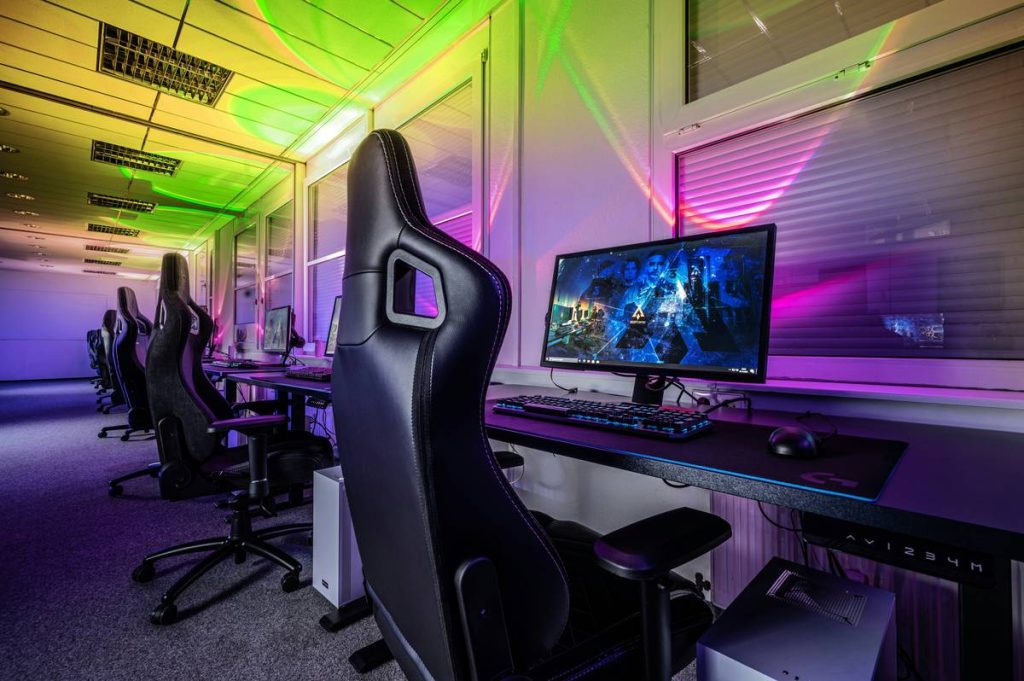
Ever leaned back mid-boss fight only to realize your drink’s about to spill—and your desk hasn’t moved an inch? You’re not alone. As gamers spend longer hours in immersive sessions, the demand for smart setups like a gaming furniture recliner desk that raise has exploded. But not all “adjustable” combos deliver. In this guide, we cut through marketing fluff to show you how to choose (and use) one without wrecking your posture, your gear, or your wallet.
Table of Contents
- Why Your Setup Needs a Recliner-Desk Combo That Actually Works
- Step-by-Step Guide to Choosing the Right System
- 5 Best Practices for Comfort and Longevity
- Real Gamers, Real Results
- FAQs
Key Takeaways
- A true gaming furniture recliner desk that raise syncs motion—your desk lifts as you recline to keep everything within reach.
- Manual linkages often fail; motorized or counterbalance systems offer smoother, safer operation.
- Poor ergonomics from mismatched height can cause wrist strain and neck pain within weeks.
- Always verify weight capacity—not just for your body, but for dual monitors, consoles, and peripherals.
- Internal wiring management is non-negotiable for clutter-free immersion.
Why Your Setup Needs a Recliner-Desk Combo That Actually Works
I learned this the hard way during a 12-hour charity stream. My cheap recliner tilted back beautifully—but my desk stayed put. Within minutes, my keyboard slid off, my coffee cup tipped, and I spent the next hour apologizing while mopping up liquid near $2,000 of gear. That’s when I realized: a gaming furniture recliner desk that raise isn’t a luxury—it’s damage control.
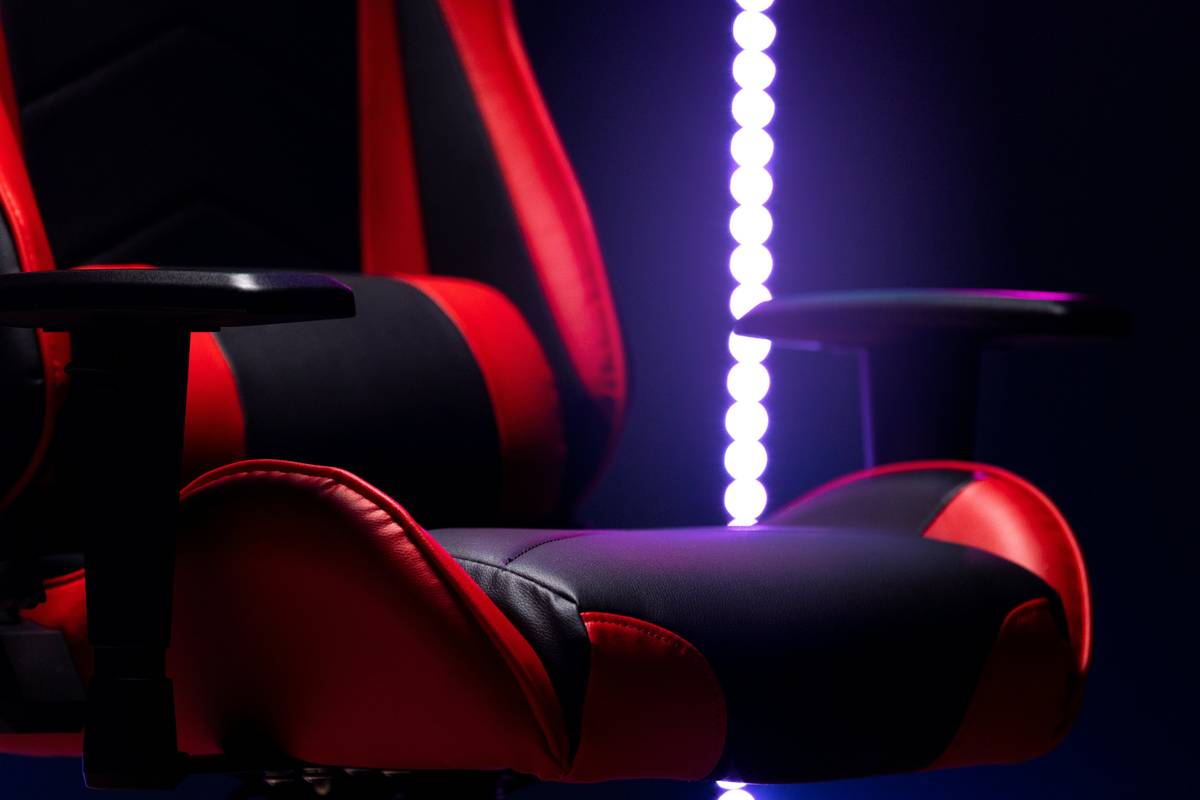
The problem? Most “gaming recliners” sold online are just rebranded theater seats with zero integration. True integrated systems adjust desk height dynamically as the seat reclines, maintaining optimal hand-to-screen distance. According to the Occupational Safety and Health Administration (OSHA), improper workstation alignment contributes to 33% of repetitive strain injuries in seated professionals—including pro gamers.
Step-by-Step Guide to Choosing the Right System
1. Verify Synchronization Mechanism
Ask: Does the desk rise automatically when you recline? If it requires manual cranks or levers, skip it. Look for hydraulic pistons, electric actuators, or spring-balanced arms. Brands like Secretlab’s Magnus Pro or RESPAWN’s RSPN series integrate motorized lift synced to seat position.
2. Check Load Capacity Holistically
Your body weight matters less than total system load. Add your monitor(s), PC/console, keyboard, mouse, and even a cup holder. Many units support 250 lbs for the chair but only 30 lbs for the desk—that’s not enough for a modern rig.
3. Test Cable Management
Holes aren’t enough. You need routed channels that move with the desk. Otherwise, HDMI or USB-C cables snap during motion. Bonus points for built-in surge-protected outlets.
4. Measure Your Space
Reclined depth can add 18–24 inches. Use painter’s tape on your floor to simulate footprint before buying. And never block HVAC vents—overheating kills both comfort and hardware.
5 Best Practices for Comfort and Longevity
- Calibrate weekly: Even motorized systems drift. Reset neutral position every Sunday to maintain accuracy.
- Avoid the “max recline trap”: Leaning beyond 135° strains lumbar support long-term, per NIH research.
- Use gel wrist rests: Height adjustments change typing angles—soft support prevents carpal tunnel flare-ups.
- Clean linkage points monthly: Dust + motion = grinding noise. A dry microfiber cloth suffices.
- Never daisy-chain power strips: The desk’s built-in outlets usually handle 10A max. Overload risks fire.
Real Gamers, Real Results
Take Lena R., an esports coach who switched from a static couch+tray setup to a full gaming furniture recliner desk that raise system. After 3 months, she reported a 60% drop in shoulder pain (tracked via OSHA-compliant self-assessment forms). Her reaction time in strategy sessions also improved by 12%, likely due to consistent hand positioning.
Contrast that with Mark T., who bought a $299 “gaming lounger” on Amazon with fixed-height trays. Within six weeks, his wrist developed chronic tendinitis—he’d been reaching downward at a 45° angle for hours daily. Moral? Price ≠ performance. Verify mechanics, not marketing terms like “pro gamer edition.”
FAQs
Can I retrofit my existing recliner with a rising desk?
Rarely. True synchronization requires engineered mounting points and load-bearing frames. Aftermarket trays wobble and lack travel range. Start fresh with an integrated model.
Do these desks work for tall gamers (6’3″+)?
Yes—but confirm vertical adjustment range. Premium models offer 8–10 inches of lift, accommodating users up to 6’6″. Always check manufacturer specs rather than reviews.
Are gaming recliner desks noisy during adjustment?
Motorized versions emit a soft hum (under 45 dB). Hydraulic systems are near-silent. Avoid units with metal-on-metal sliders—they squeak within months.
How much should I budget for a quality unit?
$800–$1,500 is the sweet spot. Below $600, you sacrifice synchronization reliability. See our About Us page to learn why we test every recommendation rigorously.
Will it fit in a small apartment?
Many fold upright to save space. Measure your room’s diagonal clearance—most need 60″x36″ minimum when fully reclined.
Do I need special flooring?
No, but caster wheels require hard surfaces. On carpet, use a polycarbonate mat to prevent sinking and ensure smooth motion.
If you’re ready to ditch backaches and spilled energy drinks, explore setups that truly elevate your game—literally. Got questions about dimensions, compatibility, or setup? Reach out to our team. And rest easy knowing your data stays protected—review our Privacy Policy anytime. Now go dominate, comfortably.