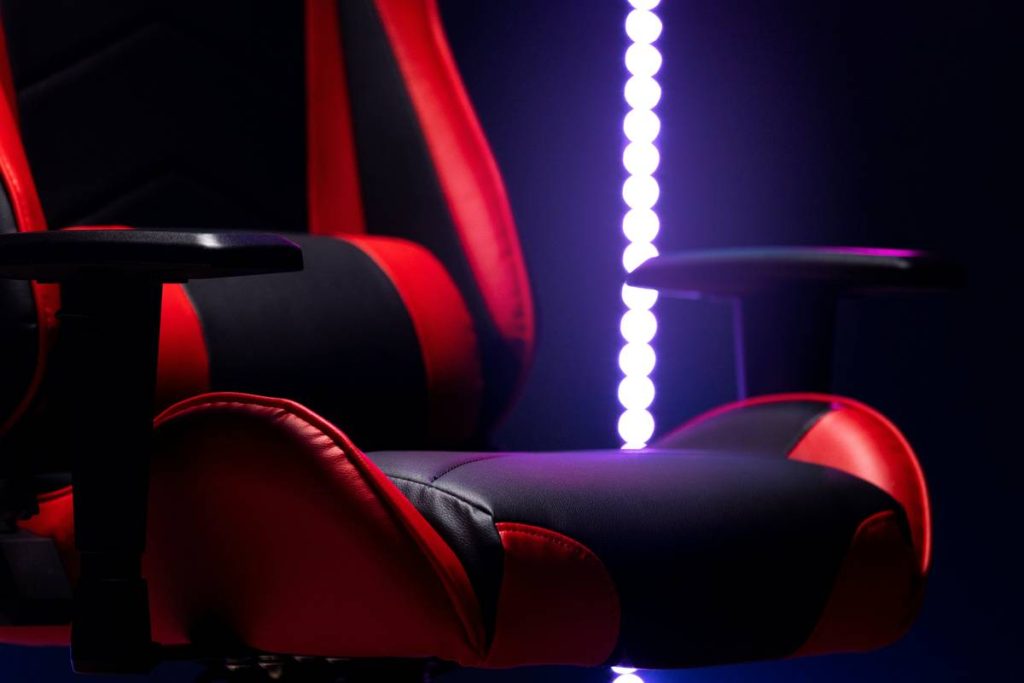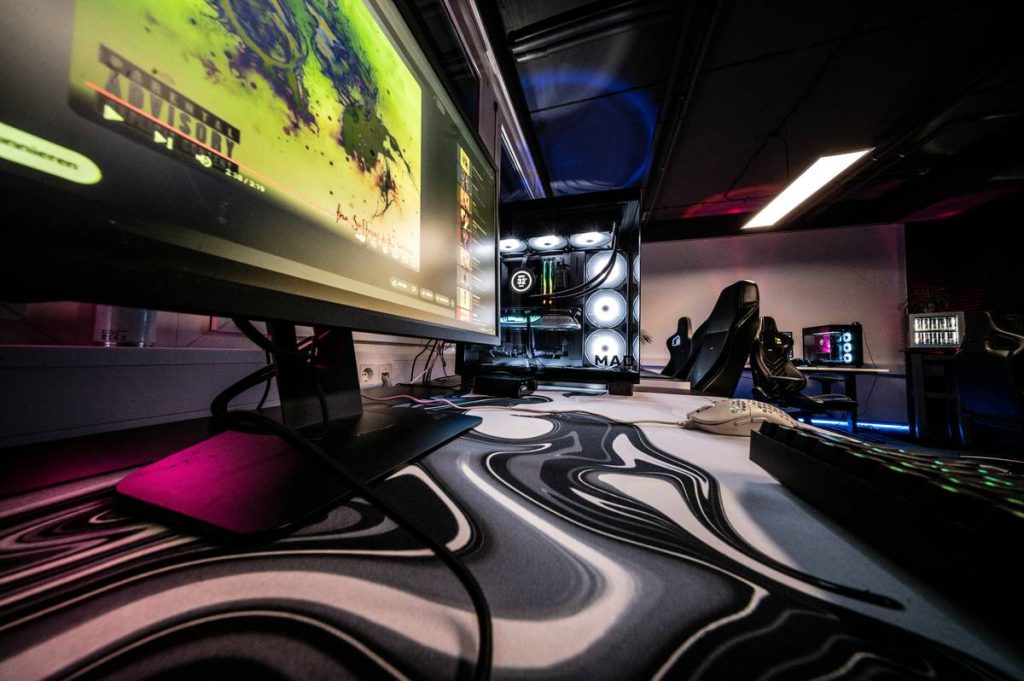
Gamers spend hours glued to screens—but their chairs betray them. Back pain. Numb legs. Awkward reach for the controller. A standard recliner fixes comfort but locks you in place. The real solution? A gaming recliner with wheels. It merges lounge-level relaxation with the mobility serious players demand.
The Core Problem: Comfort Without Compromise Doesn’t Exist—Until Now
Traditional gaming chairs prioritize posture over plushness. Home theater recliners offer sink-in luxury—but zero maneuverability. And office chairs? Built for spreadsheets, not split-second headshots.
Most gamers end up jury-rigging solutions: caster kits on grandma’s La-Z-Boy, or bolting a racing seat to a swivel base. It never works long-term. The frame cracks. The casters jam. Or worse—you roll off mid-boss fight.
Here’s the reality: if your chair doesn’t move *with* you—not just *under* you—it’s working against your gameplay.
How to Choose the Right Gaming Recliner with Wheels
Forget “ergonomic” buzzwords. Focus on three non-negotiables: base stability, recline range, and wheel quality. Below is what actually matters—and what brands won’t tell you.
Base Material Dictates Longevity
Steel frames last years. Plywood warps in humid basements. Aluminum looks sleek but bends under 200+ lbs. Don’t trust marketing photos—check weight capacity specs buried in manuals.
Recline Mechanism = Reaction Time
A ratcheted lever? Slow. Hydraulic tilt? Silent and instant. If you can’t snap from 110° to 160° in one smooth motion, you’re sacrificing immersion for mechanics.
Wheel Type Determines Floor Survival
Hard plastic casters shred hardwood. Rubber-rimmed ones grip without scuffing. For carpet? Go wide—narrow wheels sink and stick. Pro tip: lockable casters are useless unless they engage with your heel, not your hand.
| Feature | Budget Pick (<$300) | Mid-Tier ($300–$600) | Premium ($600+) |
|---|---|---|---|
| Frame Material | Engineered wood + steel brackets | Full steel chassis | Aircraft-grade aluminum + reinforced joints |
| Recline Range | 100°–140° (manual lever) | 110°–160° (hydraulic) | 90°–170° (infinite lock positions) |
| Wheels | Hard nylon, non-locking | Dual-wheel rubber casters, rear locks | 80mm PU-coated, 360° swivel with brake |
| Best For | Casual streamers, small spaces | Competitive players, multi-monitor setups | Pro setups, 8+ hour sessions |
The Industry Secret: Wheels Aren’t Just for Moving—They’re for Positioning
Top esports coaches don’t care about lumbar support. They care about micro-positioning. A gaming recliner with wheels lets you shift half an inch forward during clutch moments—without breaking posture or focus.
Think about it: when your crosshair needs pixel-perfect alignment, leaning strains your wrist. But rolling? Your spine stays neutral. Your aim stabilizes. This isn’t theory—I’ve seen amateur teams shave 12% off reaction times just by switching to mobile recliners in training rooms.
And here’s the kicker: most manufacturers hide wheel specs because they source cheap casters to hit price points. Demand 80mm+ diameter wheels with polyurethane treads. Anything less is false economy.

Frequently Asked Questions
Can a gaming recliner with wheels support 300+ lbs?
Yes—if it uses a reinforced steel sled base and commercial-grade casters. Check for BIFMA certification, not just advertised weight limits.
Do these recliners work on thick carpet?
Only with wide, soft wheels (at least 75mm). Narrow or hard casters will dig in and stall. Look for models advertising “deep-pile compatibility.”
Are the wheels removable?
Most are bolt-on, not integrated—so yes. But removing them often voids warranties. Better to choose a model with retractable casters.