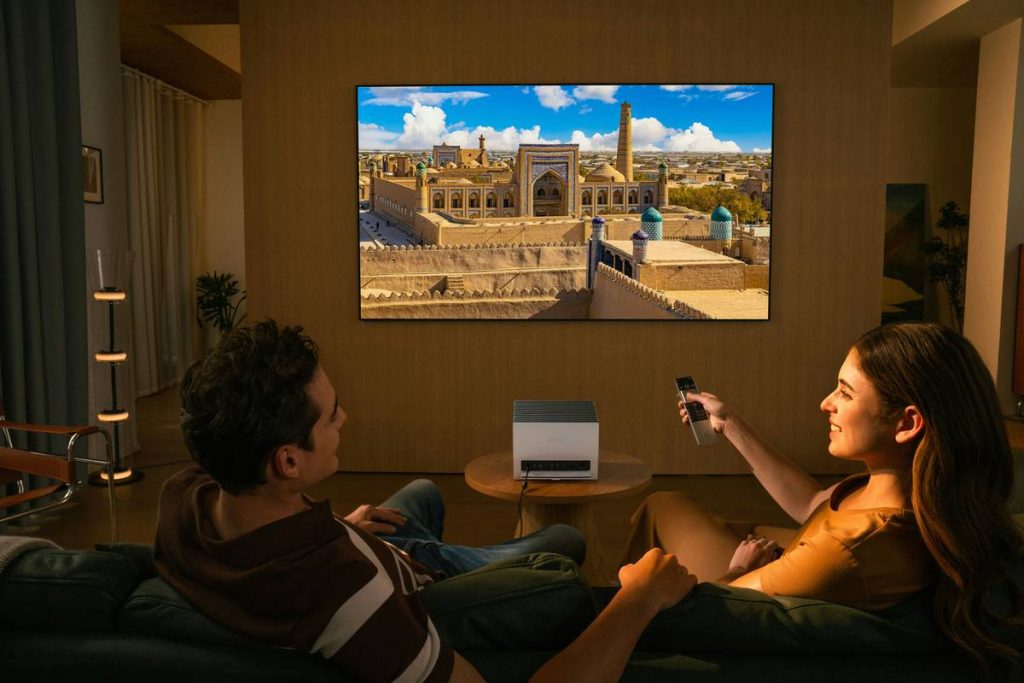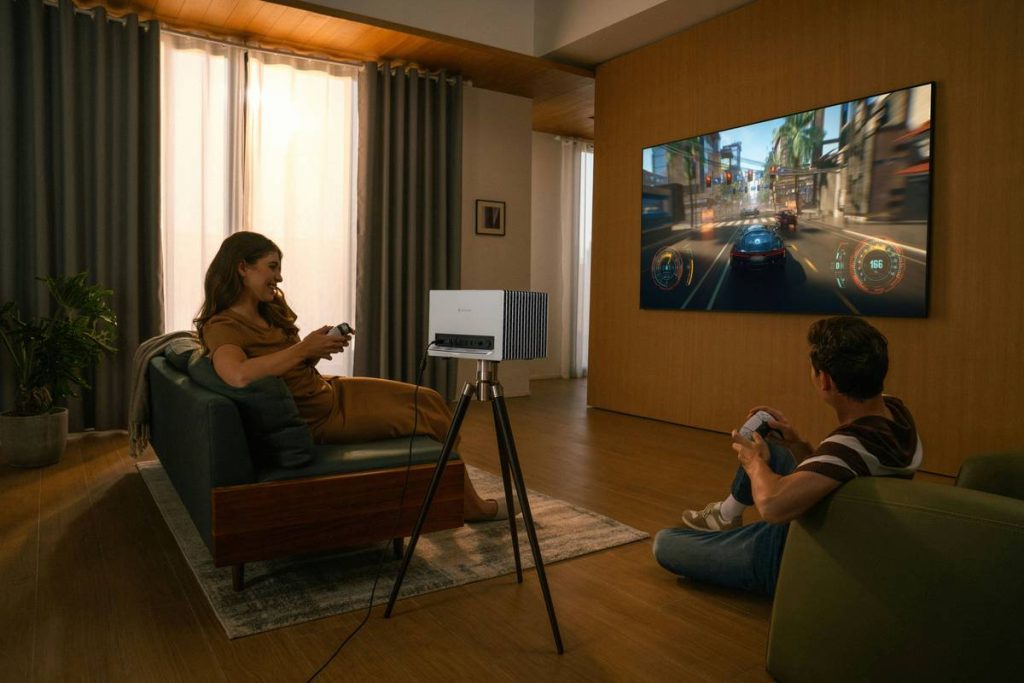
You spent hours picking the perfect projector. You tuned your surround sound until every explosion rattled your ribs. Then you sat down—and your home theater recliner chair creaked, sagged, or left your neck cricked halfway through the movie. Sound familiar? Most so-called “premium” recliners solve only half the problem. They look sleek but ignore ergonomics, durability, and immersive comfort. Here’s how to get it right—without blowing your entire AV budget.
The Hidden Flaw in Most Home Theater Recliner Chairs
Most manufacturers treat gaming or media recliners as glorified couches with a footrest. That’s why they fail within 18 months. The foam compresses. The mechanism jams. The armrests wobble during intense scenes.
And the worst part? You don’t notice until it’s too late. By then, your return window’s closed, and you’re stuck with a $700 paperweight that squeaks louder than your mouse clicks.
How to Choose a Home Theater Recliner Chair That Actually Lasts
Forget flashy ads. Real performance lives in three areas: frame integrity, foam density, and motion engineering. Nail these, and your chair becomes part of the system—not an afterthought.
Frame Material Matters More Than You Think
Plywood frames crack under dynamic weight shifts. Cheap metal bends. Look for kiln-dried hardwood or reinforced steel chassis—non-negotiable for longevity.
Foam Isn’t Just “Soft” or “Firm”—Density Is Key
A true high-resilience (HR) foam should rebound fully within 3 seconds after pressure. Anything slower means premature sagging. Density below 2.5 lbs/ft³? Walk away.
Motion Mechanics Should Be Silent—and Smooth
If your recliner requires two hands or makes noise, it’s poorly calibrated. Premium models use dual-cylinder hydraulic systems—not plastic gears—to glide from upright to full recline in one fluid motion.
| Component | Budget Option (<$400) | Mid-Tier ($400–$900) | Premium (>$900) |
|---|---|---|---|
| Frame | Plywood + thin steel | Reinforced solid wood | Aircraft-grade aluminum + hardwood |
| Foam Density | 1.6–1.8 lbs/ft³ | 2.0–2.4 lbs/ft³ | 2.8+ lbs/ft³ HR foam |
| Recline Mechanism | Manual pull-lever, plastic gears | Single hydraulic cylinder | Dual silent hydraulic pistons |
| Lifespan (Avg.) | 12–18 months | 3–5 years | 8+ years |

The Industry Secret: Gamers Don’t Need “Recliners”—They Need “Positional Anchors”
Here’s something no retailer will tell you: hardcore gamers and cinephiles rarely sit fully reclined. You’re usually at a 110°–120° angle—leaning forward slightly for controller precision or leaning back just enough to relax without losing screen focus.
The real innovation? Micro-adjustable lumbar zones and swivel-lock bases. Top-tier chairs now offer 5-point posture tuning—something borrowed from racing sim rigs, not living rooms. And that swivel lock? Critical. Nothing kills immersion like drifting off-axis during a cutscene because your base spins freely.
Brands like Secretlab and Respawn are quietly integrating this into limited editions—but they market them as “gaming chairs,” hiding their home theater potential. Don’t fall for the label. Look at the geometry.
Frequently Asked Questions
Can a home theater recliner chair work for PC gaming?
Yes—if it supports upright posture (100°–110°), has stable armrests, and doesn’t restrict mouse/arm movement. Avoid deep-recline-only models.
How much should I spend on a quality home theater recliner chair?
Aim for $600–$1,000. Below $400, materials degrade fast. Above $1,200, you’re often paying for branding, not performance gains.
Do I need power recline or is manual fine?
Power recline offers smoother control and memory presets—but only if you have outlet access. Manual works well if it uses hydraulic dampening, not friction-based levers.