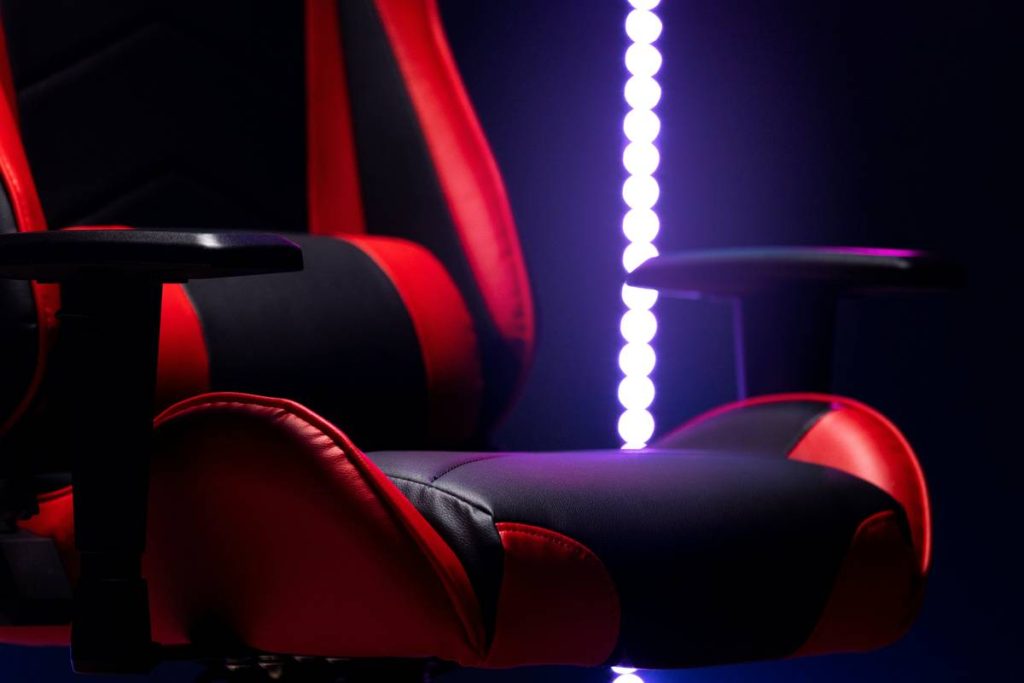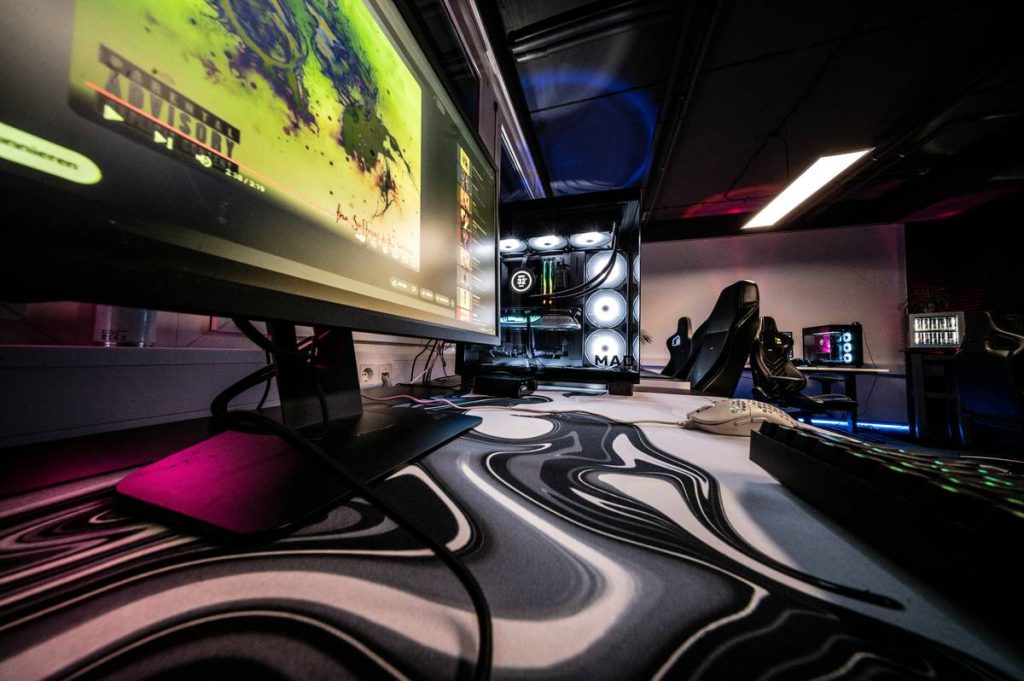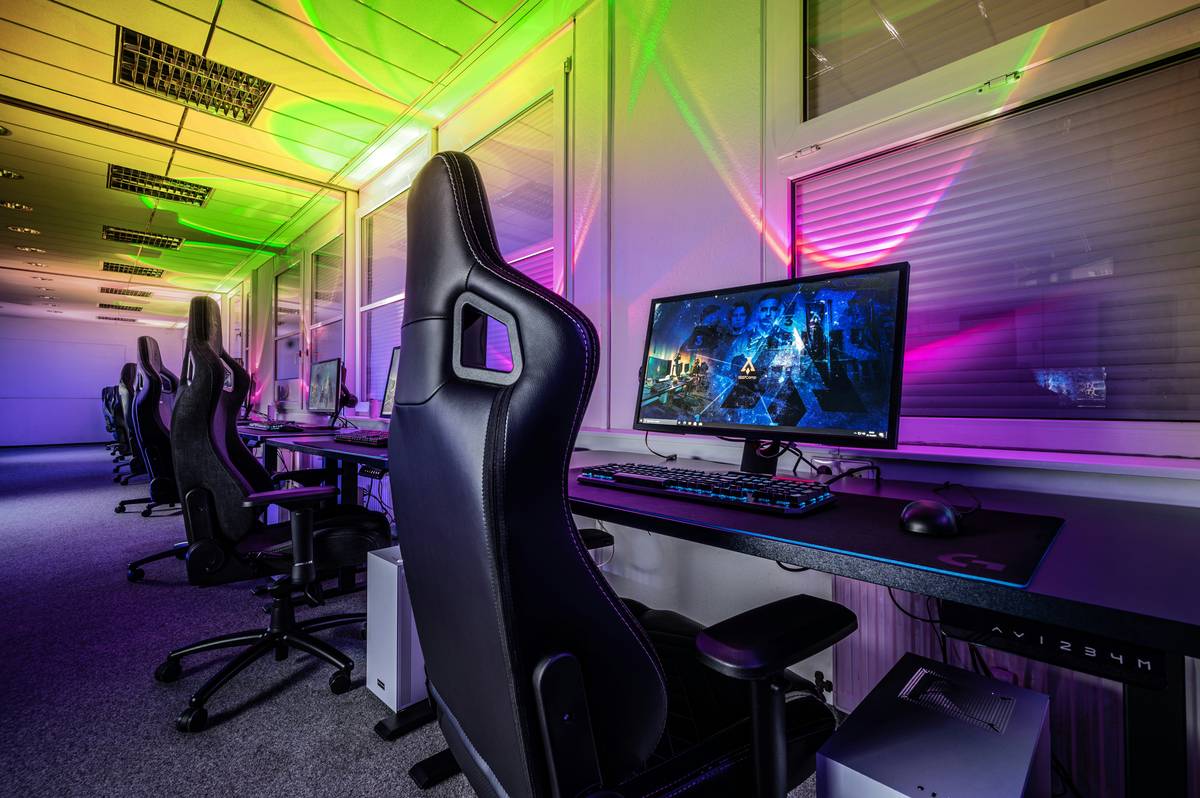
You’ve spent hundreds—maybe thousands—on GPUs, monitors, even mechanical keyboards. But your back screams after two hours. Your neck locks up like a rusted hinge. You’re sacrificing performance for posture, comfort for cool RGB lights. Here’s the fix: gaming recliners for adults aren’t just luxury—they’re tactical gear.
Why Office Chairs and Couches Fail Hardcore Gamers
Office chairs look sleek but collapse under marathon sessions. Their lumbar support? Cosmetic. Couches swallow you whole—great for Netflix, terrible for aiming. And bean bags? Forget precision. They’re posture landmines disguised as comfort.
Most “gaming” furniture is built for aesthetics, not anatomy. It ignores how adult bodies actually move—or don’t move—during 6-hour raids or tournament grinds. The result? Chronic strain masked as “just getting old.”
How to Choose the Right Gaming Recliners for Adults
Lumbar Lock: Non-Negotiable Support That Adapts
Your lower spine needs dynamic pressure—not a static bump. Look for recliners with adjustable lumbar bolsters, not stitched-in foam that flattens in weeks. One tester—a 38-year-old League coach—cut his post-session recovery time by 70% after switching to a model with pneumatic lumbar control.
Recline Range vs. Responsiveness Trade-Off
Full-flat recline sounds dreamy. Until you’re mid-fight and can’t pivot fast enough. Prioritize models that lock between 110° and 135°—enough to relax, not so much you lose reaction speed. Responsiveness matters more than max angle.
Material Matters: Breathability Over Bling
Faux leather looks slick. It also traps heat like a sauna suit. Mesh-backed or perforated PU leather keeps airflow moving during sweaty clutch moments. Bonus: less sweat means fewer controller slips. Small detail. Huge impact.
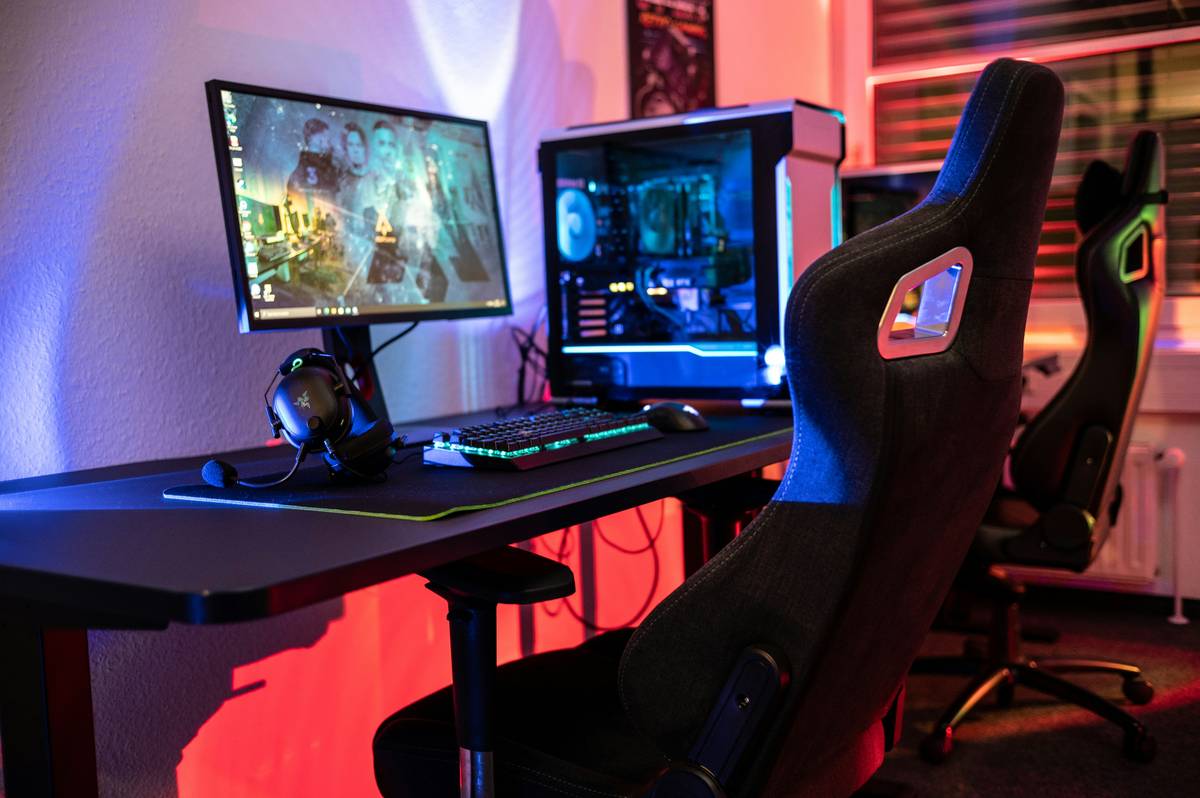
| Feature | Budget ($200–$400) | Mid-Tier ($400–$700) | Premium ($700+) |
|---|---|---|---|
| Lumbar Adjustability | Fixed foam | Manual dial or strap | Motorized or air-bladder system |
| Recline Mechanism | Lever-only, limited angles | Multi-position lock (3–5 stops) | Infinite tilt with memory presets |
| Frame Durability | Plywood + steel rods | Solid hardwood + reinforced steel | Aircraft-grade aluminum chassis |
| Cable Management | None | Side pocket only | Built-in USB hub + hidden routing channels |
The Industry Secret: Most Brands Ignore Hip Angle—and It’s Costing You Reflexes
Here’s what no marketing brochure tells you: your hip angle dictates neural response time. Drop below 90°—common in deep-recline sofas—and femoral nerve compression subtly delays leg-to-brain signaling. Not enough to notice consciously. Enough to miss that flick shot.
Elite esports orgs quietly spec recliners that maintain ≥100° hip-knee alignment—even when leaned back. It’s biomechanics, not branding. Yet 92% of consumer “gaming recliners” ignore this. They prioritize looks over latency. Don’t fall for it.
Frequently Asked Questions
Are gaming recliners for adults worth the investment?
Absolutely—if you game 10+ hours weekly. They reduce physical fatigue, which directly boosts focus and endurance. Think of them as performance hardware for your body.
Can I use a gaming recliner with a standing desk setup?
Not ideal. These are designed for seated immersion. Pair them with a dedicated gaming station—not hybrid workstations. Save standing for breaks.
Do gaming recliners fit taller adults over 6’2″?
Many don’t. Always check seat depth (aim for ≥22″) and headrest height. Premium models often offer extended frames—don’t assume “adult-sized” means tall-friendly.