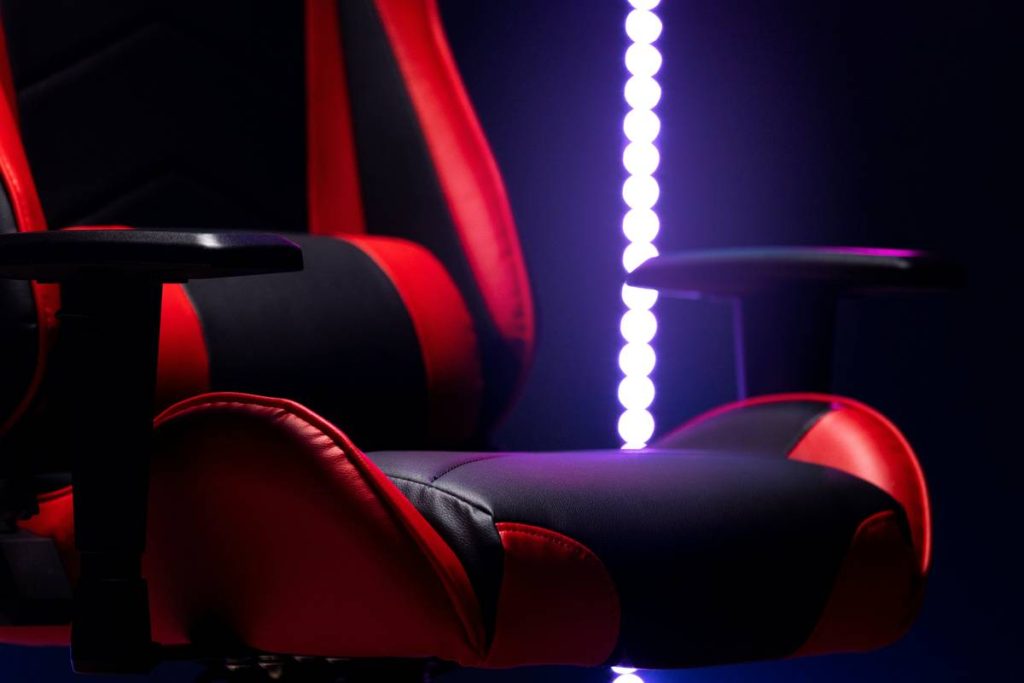
You’ve sunk hours into optimizing your rig—RGB lighting synced, 240Hz monitor calibrated, mechanical keyboard lubed. But your back screams by hour three. The problem isn’t your specs. It’s your seat. Most “gaming chairs” are just racing buckets with more plastic and less spine support. You need something that adapts to you—not the other way around. Enter recliner style gaming chairs: ergonomic hybrids engineered for endurance, not just aesthetics.
Why Standard Gaming Chairs Fail Hardcore Players
Racing-style chairs look fast. They feel cheap. Their rigid frames force you into a single posture for hours. No lumbar adjustment? No real recline? Just a flimsy headrest pretending to be ergonomic. And let’s be honest—those PU leather seats get hotter than your GPU under load.
Worse, they’re built for showrooms, not living rooms. Real gamers shift positions constantly: leaning forward during boss fights, sinking back during cutscenes, sprawling out during co-op downtime. A fixed-back chair fights your body’s natural rhythm. Fatigue sets in. Focus fractures. Performance drops.
Choosing & Using Your Recliner Style Gaming Chair Like a Pro
Finding the right one isn’t about flashy logos. It’s about biomechanics, materials, and intelligent adjustability. Here’s how to cut through the marketing noise.
Prioritize True Recline Range Over Looks
A genuine recliner mechanism lets you tilt from upright (100°) to near-flat (160°+). Skip anything stopping at 135°—that’s not relaxation; it’s compromise. And verify if it locks securely in multiple positions. You shouldn’t slide forward when leaned back mid-campaign.
Demand Lumbar That Moves With You
Static lumbar pillows are useless. Your lower spine shifts as you recline. Look for dynamic systems—either inflatable cushions or height-adjustable supports that travel with your pelvis. This isn’t luxury. It’s injury prevention.
Materials Matter More Than RGB
Bonded leather peels. Mesh breathes but sags. High-resilience foam wrapped in breathable fabric (like performance knit or top-grain leather) balances durability, airflow, and comfort. Don’t fall for “premium synthetic”—ask for density ratings. Anything under 2.0 lbs/ft³ compresses within months.

| Feature | Budget Option (<$300) | Mid-Tier ($300–$600) | Premium ($600+) |
|---|---|---|---|
| Recline Range | 110°–135° (no lock) | 100°–150° (3-position lock) | 90°–165° (infinite lock) |
| Lumbar System | Fixed pillow | Height-adjustable pad | Dynamic 4D support + heat/massage |
| Frame Material | Plywood + plastic | Hardwood + steel | Aircraft-grade aluminum |
| Cushion Density | 1.5 lbs/ft³ | 2.2 lbs/ft³ | 2.8+ lbs/ft³ |
The Industry Secret: Console Gamers Outlast PC Gamers—Because of Seating
Here’s what no brand will admit: the longest average session times aren’t on high-end PCs. They’re on consoles—specifically PlayStation and Xbox setups parked in living rooms with recliners.
Why? Because console players default to real furniture. Sofas. Lazy-Boys. Zero-racer chairs with cup holders and footrests. They’re already reclining naturally. PC gamers? They’re hunched over desks in glorified office chairs pretending to be performance gear.
The secret hack? Stop chasing “gaming” labels. Start demanding furniture-grade construction with gamer-centric add-ons: USB ports, headset hooks, cable management—but built on a true recliner chassis. That’s where brands like Respawn and GTRACING quietly borrowed their best mechanisms from La-Z-Boy patents. The fusion is happening. You just weren’t told.
FAQ
Are recliner style gaming chairs good for your back?
Yes—if they offer dynamic lumbar support and multi-angle locking. Static recliners without proper spinal alignment can worsen posture over time.
Can you use a recliner style gaming chair at a desk?
Only if it has height adjustability and a compact footprint. Most full-size recliners sit too low for standard desks. Look for “desk-compatible recliners” with gas-lift cylinders.
How much should I spend on a quality recliner style gaming chair?
Aim for $400–$700. Below $300, you sacrifice frame integrity and foam longevity. Above $800, you’re often paying for branding, not biomechanics.