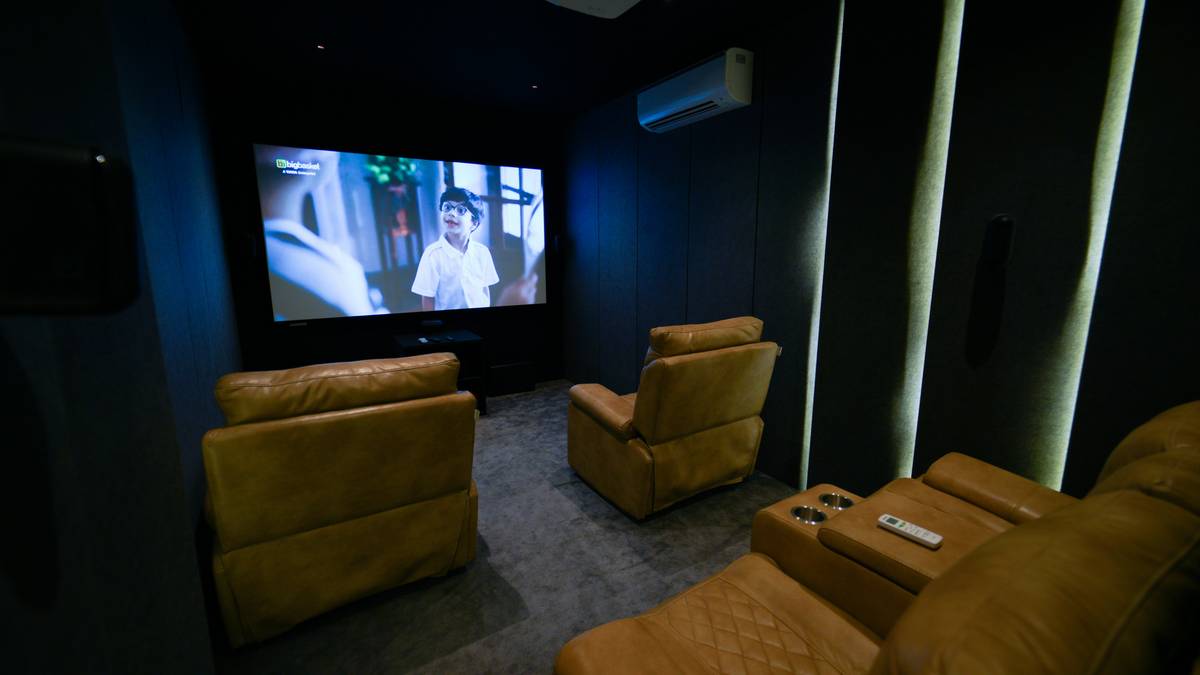
You spent thousands on a 4K projector, Dolby Atmos speakers, and blackout curtains. But every time you lean back in those flashy “home theater recliner seats,” your neck cramps, your drink spills, and immersion dies. Feels less like cinema—and more like compromise. The fix isn’t buying more gear. It’s choosing recliners engineered for real human bodies, not showroom aesthetics.
Most Home Theater Recliner Seats Fail Because They Prioritize Looks Over Physics
Manufacturers obsess over cup holders and faux leather while ignoring biomechanics. Recline angles are too steep—forcing your head forward. Seat depth rarely adjusts, leaving tall users with floating knees or short users knee-deep in foam. And don’t get me started on armrests that crack under a soda can’s weight.
Here’s the reality: A recliner that doesn’t support neutral spine alignment sabotages audio-visual fidelity. Your brain registers discomfort before it processes surround sound. No amount of THX certification fixes that.
How to Choose & Set Up Perfect Home Theater Recliner Seats
Forget “plug-and-play.” Real home theater comfort requires deliberate setup. Start here:
Measure Your Room Like an Acoustician
Clear viewing distance? Sure. But what about recline clearance? Most models need 18–24 inches behind them to fully extend. Measure from wall to front row seat base—then add 26 inches. If you’re tight, opt for zero-wall hugger mechanisms.
Prioritize Lumbar Lockover Luxury Stitching
Stitching fades. Your lower back won’t. Look for adjustable lumbar supports—either built-in dials or removable pillows that stay put during recline. Memory foam sounds fancy but compresses fast. High-resilience polyurethane foam lasts longer and rebounds better.
Test Power vs. Manual Mechanisms
Power recliners feel premium—until your kid spills popcorn in the motor housing. Manual levers are bulletproof, quieter, and cheaper to repair. Unless you’ve got mobility issues, skip the outlets.
| Feature | Budget Tier (<$500) | Mid-Tier ($500–$1,200) | Premium Tier (>$1,200) |
|---|---|---|---|
| Recline Mechanism | Manual lever, limited positions | Smooth manual or basic power | Multi-position power with USB charging |
| Frame Material | Pressed wood + metal brackets | Solid hardwood frame | Aircraft-grade aluminum chassis |
| Lumbar Support | None or fixed | Adjustable pillow or dial | Integrated dynamic support with memory settings |
| Seat Depth Range | Fixed (~20″) | Adjustable (19–22″) | Custom-fit options per user profile |
The Industry Secret: Recliners Should Be Tuned Like Speakers
Top-tier home theater designers do something most consumers never hear about—they “calibrate” seating just like they calibrate subwoofers. Each recliner is adjusted to the occupant’s height, weight, and preferred viewing angle. Then they lock it. No fiddling during movies. Why? Consistent posture = consistent soundstage perception. Your ears hear differently when slouched vs. supported. Yet 95% of buyers treat recliners as static furniture. They’re not. They’re acoustic interfaces. Treat them that way.
Frequently Asked Questions
Can I use regular recliners as home theater recliner seats?
No. Standard recliners lack proper sightline alignment, often block rear views, and usually don’t have theater-specific features like whisper-quiet mechanisms or integrated cable management.
How much space do home theater recliner seats really need?
Minimum 36″ width per seat, 42″ depth when reclined, and 18″ walkway behind. Zero-wall models reduce rear clearance to 4″, but compromise on full-flat positions.
Are leather recliners worth the extra cost?
Only if you prioritize cleanability over breathability. Top-grain leather lasts decades but feels hot during long sessions. High-performance fabric blends offer better airflow and resist pet claws better than bonded leather.